
Data security failures don’t always start with sophisticated cyberattacks. Many begin with everyday mistakes: paperwork left on a desk, boxes of old files sitting in a hallway, or documents tossed into the recycling bin instead of being destroyed. When sensitive information is handled manually and inconsistently, human error becomes one of the biggest risks to data protection.
Scheduled shredding services help remove that risk by creating a repeatable, secure process for document destruction. Rather than relying on individual employees to remember when and how to shred, businesses can put a system in place that works quietly in the background—every week, every month, without exception.
The Role of Human Error in Document-Related Data Breaches
Paper records are still part of daily operations for many organizations. Invoices, employee files, customer records, and internal reports often move through multiple hands before they’re no longer needed. Along the way, mistakes happen.
Documents may be:
- Left unattended on desks or printers
- Stored in unlocked boxes or filing rooms
- Thrown out during office cleanups without being destroyed
- Held onto longer than necessary due to uncertainty around retention
These issues rarely come from negligence. More often, they stem from unclear processes and competing priorities. When document disposal depends on memory, availability, or judgment calls, the risk of exposure increases.
Why Manual and On-Demand Shredding Processes Fall Short
Many businesses start with good intentions—an office shredder, occasional purge days, or ad-hoc shredding appointments. Over time, those approaches tend to break down.
Shredding gets postponed during busy periods. Responsibility shifts when staff change roles. File cleanouts happen only when storage becomes a problem. Without a defined schedule, sensitive paper accumulates and remains accessible far longer than it should.
Manual shredding also creates inconsistencies. Some documents are destroyed properly, others are missed, and there’s often no documentation to confirm what was shredded and when. That lack of oversight makes it harder to manage risk and demonstrate compliance.
How Scheduled Shredding Reduces Human Error Across Your Organization
Scheduled shredding replaces uncertainty with structure. Instead of reacting to paper buildup, businesses follow a consistent process designed to reduce mistakes at every step.
Consistent, Predictable Document Destruction
With scheduled service, shredding happens on a fixed, recurring basis. Secure, locked consoles are placed throughout the workplace, giving employees a clear and safe place to deposit sensitive documents. Once inside, those documents are no longer accessible.
This approach removes guesswork. Employees don’t need to decide what to shred immediately or where to store paperwork until the next cleanout. Regular pickups prevent overflow and keep sensitive information from lingering in offices or storage areas.
Less Employee Decision-Making, Fewer Mistakes
One of the biggest advantages of scheduled shredding is that it limits individual decision-making. Employees aren’t responsible for choosing when to shred, how to shred, or whether a document can wait.
Instead, there’s one approved process used across the entire organization. That consistency reduces shortcuts, eliminates confusion, and lowers the chance of documents being handled improperly. It also minimizes the need for repeated training, since disposal procedures stay the same.
Built-In Accountability and Compliance Support
Scheduled shredding provides documentation that manual methods simply can’t. A clear chain of custody tracks materials from collection through destruction, and certificates of destruction confirm when shredding has been completed.
This level of accountability makes it easier to align with privacy and data protection requirements. If questions arise—during an audit, investigation, or internal review—there’s a documented process to reference rather than assumptions or incomplete records.
Part of a Stronger, Long-Term Security Strategy
Paper security doesn’t exist in isolation. Scheduled shredding supports broader data protection efforts by reinforcing internal policies and retention schedules. It works alongside digital security measures, helping close gaps that technology alone can’t address.
Over time, consistent document destruction also shapes workplace habits. Employees become accustomed to treating information with care, which strengthens the overall culture of data responsibility. As organizations grow or regulations change, scheduled shredding scales without disrupting daily operations.
Industries That See the Greatest Impact
While any organization handling sensitive information can benefit, scheduled shredding is especially valuable for:
- Healthcare and medical offices managing patient records
- Financial services and accounting firms handling personal and financial data
- Legal practices storing confidential case files
- Human resources departments managing employee information
- Education and non-profit organizations handling donor or student records
Why Businesses Rely on i shred for Scheduled Shredding
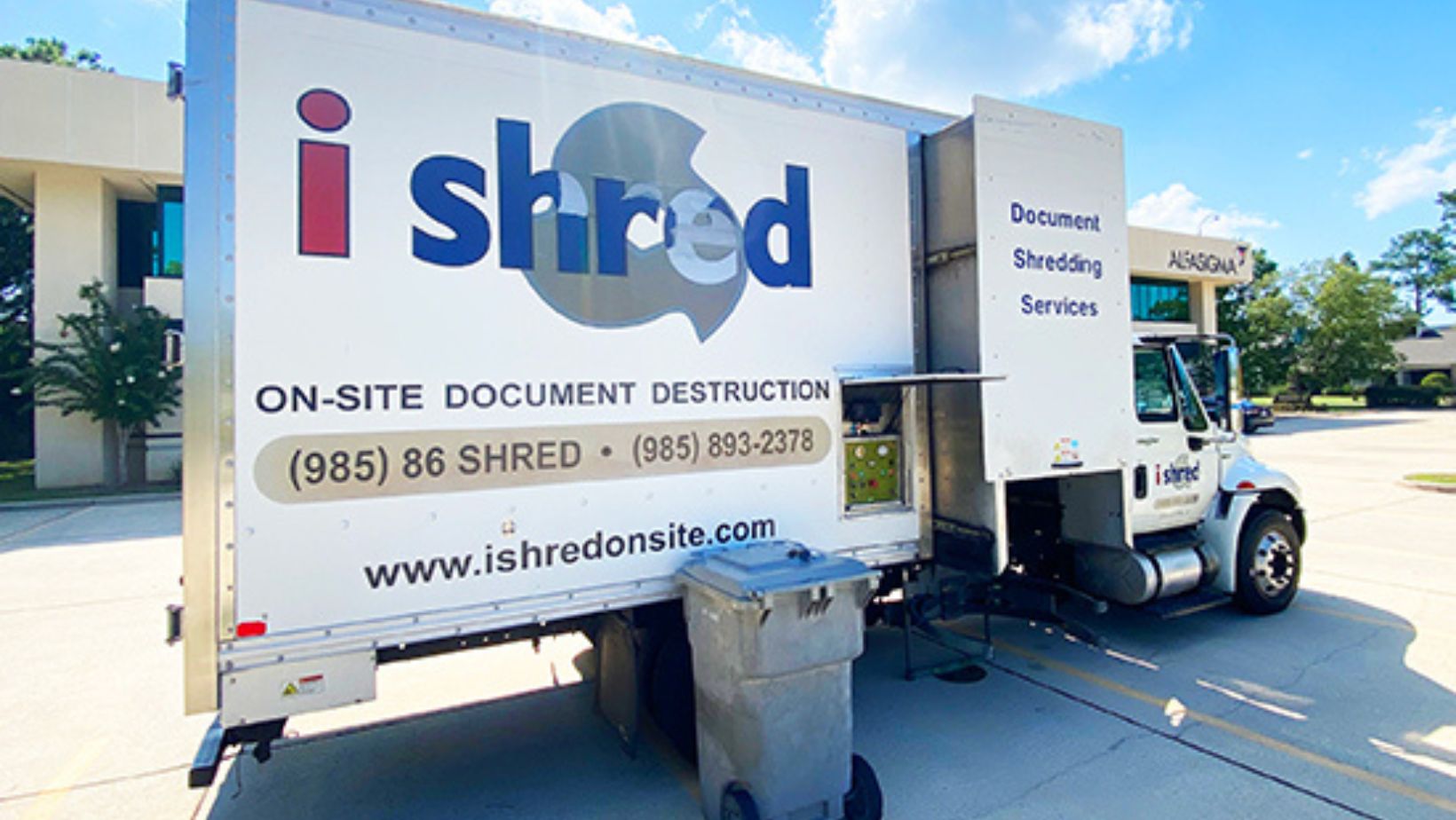
i shred provides reliable scheduled shredding services designed to support long-term data security. With consistent service schedules, secure containers, and trained shredding professionals, businesses can reduce risk without adding complexity to their operations.
By putting a structured shredding process in place, organizations gain peace of mind knowing sensitive information is handled securely and responsibly, every time.
Take the Next Step Toward Reducing Data Security Risk
If your current document disposal process relies on reminders, cleanout days, or manual shredding, it may be leaving room for human error. Scheduled shredding offers a simple way to tighten controls and protect sensitive information year-round.
Contact i shred to request a quote or learn more about setting up a scheduled shredding program that fits your organization’s needs.